
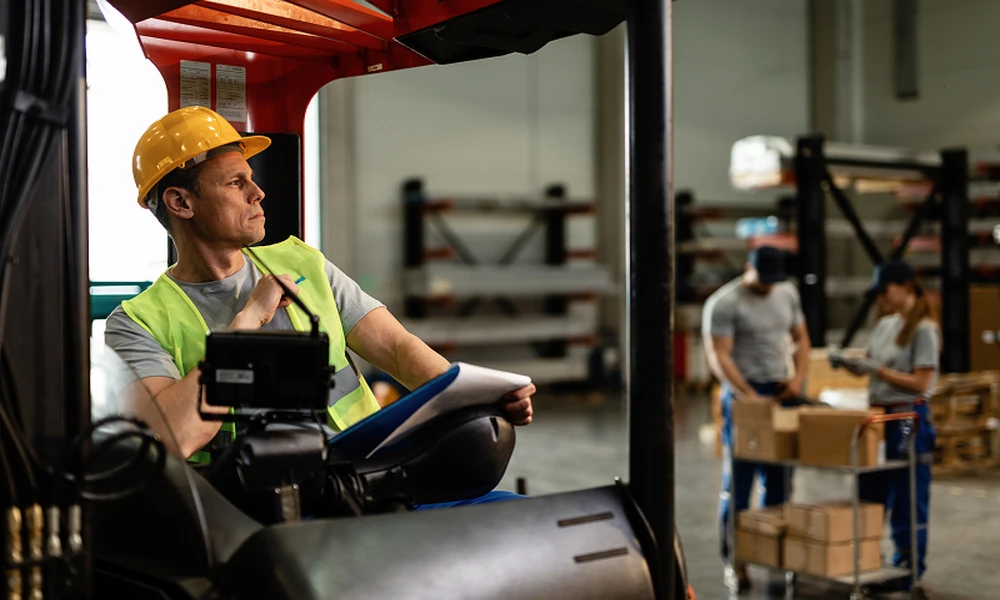
Selecting the right heavy equipment can make or break your warehouse logistics. A forklift represents a significant capital investment, but the machinery itself tells only half the story. The partner behind that machine determines whether your daily operations glide along smoothly or grind to a costly halt.
Before committing your financial resources to a long-term contract, evaluate potential forklift distributors. Asking the right operational questions today saves your team countless headaches tomorrow. Let us dive into the core factors every forward-thinking manager must scrutinise before signing on the dotted line.
Mapping Your Fleet: Customisation Over One-Size-Fits-All
Every warehouse ecosystem possesses its own unique personality. Narrow aisles, heavy-duty outdoor yards, cold storage environments, and high-bay racking systems all demand completely different handling solutions. Avoid vendors who push off-the-shelf inventory without first studying your floor plan.
Leading forklift distributors visit your facility, measure clearance heights, calculate load capacities, and analyse daily traffic patterns. They offer versatile options, from nimble lithium-ion electric reach trucks to rugged diesel lifters, tailored to your exact daily throughput requirements.
| Selection Factor | Standard Operational Need | High-Performance Requirement |
| Power Source | Electric (Lead-Acid) / IC Engine | Lithium-Ion / Hydrogen Fuel Cell |
| Operating Terrain | Smooth Indoor Concrete Floors | Uneven Outdoor Yard Surfaces |
| Maintenance Needs | Scheduled Quarterly Servicing | 24/7 Priority Emergency Support |
| Fleet Customisation | Standard Fork Attachments | Specialised Hydraulic Clamps |
Beyond the Sale: Evaluating After-Sales Support and Maintenance
A glossy new truck looks marvellous on day one, but mechanical components inevitably suffer wear and tear under gruelling shifts. Exceptional supply partners back their machinery with comprehensive, transparent service level agreements (SLAs).
Inquire directly about emergency response times when breakdowns occur. Do they dispatch certified technicians within two hours, or will your team wait two days while revenue ticks away? Verify whether your prospective vendor functions as a dedicated forklift parts supplier with deep on-site stock, or if they rely on slow international drop-shipping for basic components like hydraulic seals, mast chains, and brake pads. Prompt access to genuine spares keeps your operational downtime to an absolute minimum.
Financing Flexibility: Protecting Your Working Capital
Smart capital management keeps modern businesses agile. A rigid vendor who demands outright purchases for every transaction might strain your cash flow unnecessarily. Modern industrial equipment providers should offer dynamic financial packages designed around your business lifecycle.
Look for flexible options such as short-term rentals for seasonal surges, long-term operating leases with inclusive maintenance, and tailored lease-to-own schemes. A dependable forklift parts supplier and equipment dealer works alongside your finance director to craft a structure that preserves working capital while providing immediate access to cutting-edge technology.
Training, Safety, and Fleet Telematics
Safety forms the absolute bedrock of modern material handling. The best equipment dealers supply far more than just steel and hydraulics; they deliver complete operational safety frameworks.
Check if the provider offers certified operator training modules that comply with local health and safety regulations. Furthermore, ask about integrated telematics software. Modern fleet management systems monitor driver behaviour, track battery charging cycles, signal collision impacts, and automate preventive maintenance alerts. Partnering with a forward-thinking supplier helps you build a culture of safety while maximising equipment longevity.
Securing Your Operational Future
Choosing the ideal equipment partner requires looking well beyond the initial price tag. By assessing customisation options, demanding rapid maintenance response times, securing flexible financial terms, and prioritising safety features, you safeguard your supply chain for the long haul. Take the time to evaluate candidates thoroughly; your operational efficiency depends on it.
Frequently Asked Questions
How do I determine whether to buy or lease a forklift fleet?
Evaluate your operational intensity and capital budget. Leasing suits businesses seeking lower upfront costs, predictable monthly maintenance expenses, and regular technology upgrades. Purchasing works best for companies with steady, year-round usage and the internal capacity to manage long-term asset maintenance.
Why is local availability of spare parts so critical?
Even minor mechanical faults can paralyse your production or dispatch line. Working with a vendor that maintains a rich local stock of genuine spare parts ensures quick replacements, preventing minor component failures from becoming multi-day operational disasters.
What safety certifications should my forklift drivers hold?
Operators must hold valid licenses and undergo accredited training programs recognised by regional safety authorities. Reliable equipment partners often provide on-site operator training and refresher courses to maintain strict workplace compliance.
Connect with Hyster Yale Lift Trucks Singapore today to explore premium material handling solutions tailored specifically for your operational needs!
