
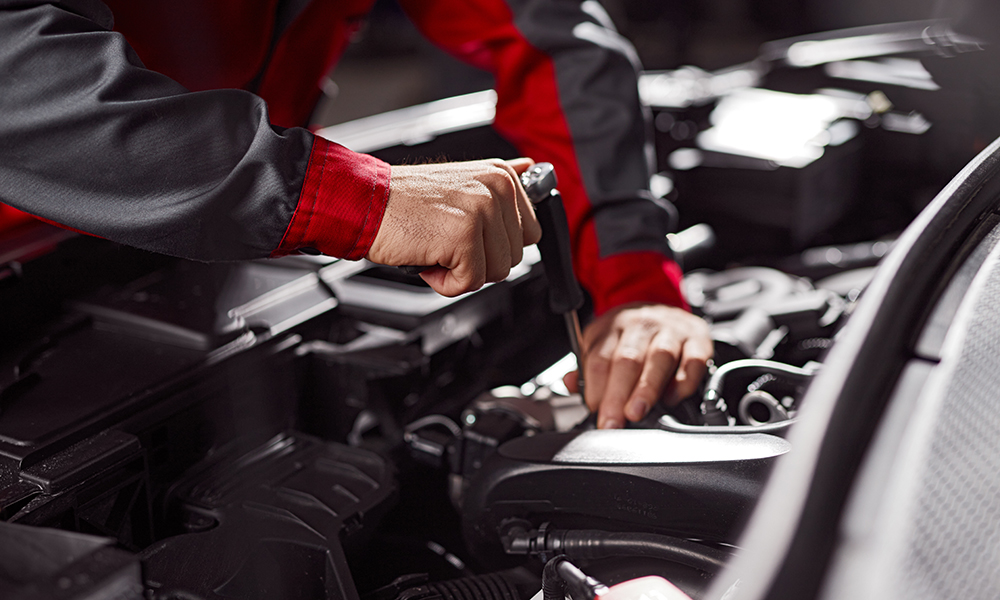
The heart of every vehicle requires constant care. Now you must watch the oil pressure sensor closely. This small part monitors the liquid flow inside. Efficient engines depend on steady internal lubrication. Oil reduces friction between the moving metal parts. So the engine runs smooth and stays cool. Proper pressure ensures the fluid reaches every corner. Without this balance the heavy machinery suffers damage. South Park Tire understands that maintenance keeps your vehicle alive. You should trust experts for these complex tasks.
How the Sensor Works for You
The sensor measures the force of the oil. It sends signals to your main dashboard gauge. But sometimes the sensor fails and gives errors. The tiny device sits near the engine block. It detects changes in the flow of liquid. Now the computer adjusts performance based on data. Precise readings help maintain the fuel economy high. Accurate information prevents the motor from seizing up. South Park Tire provides the best diagnostic tools for cars. Reliable sensors keep the internal parts moving safely.
Impact on Fuel Economy and Performance
Low pressure causes the engine to work harder. The pistons struggle against the heavy metal friction. Now the fuel consumption rises quite rapidly indeed. Efficiency drops when the internal resistance grows high. The sensor alerts you before the damage starts. Consistent flow keeps the combustion cycle very clean. So you save money at the gas pump. High performance requires perfect timing and slick parts. South Park Tire technicians check these systems during every visit. Good sensors ensure the car remains very responsive.
Preventing Internal Wear and Heat Build
Heat is the biggest enemy of your motor. Oil carries the warmth away from hot areas. But low pressure stops this cooling process quickly. The sensor prevents the metal from melting together. Now the parts slide without creating harsh sparks. Efficient engines stay within the safe thermal limits. You must replace old sensors to avoid failure. Broken parts lead to a very costly Auto Repair in Littleton, CO bill. This simple maintenance task saves the entire motor. Protected engines last for many years of driving.
Warning Signs of a Failing System
You might see a flickering light on dash. Sometimes the gauge shows a very low reading. The engine might make loud ticking noises now. These signs mean the pressure is not right. Do not ignore the warnings from the sensor. The car needs professional help right away then. Rough idling indicates a lack of proper lubrication. Clean oil helps the sensor read the data. Experts can find the fault in the wiring. Fast action keeps the engine running very strong.
