
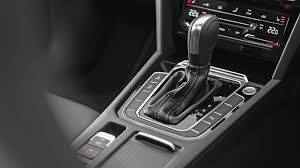
Volkswagen’s Direct-Shift Gearbox (DSG) is individual of the most progressive transmission schemes in the automotive world. Designed to transfer lightning-fast shifts and smooth capacity delivery, the DSG blends the effectiveness of a manual gearbox accompanying the convenience of a mechanical. But like any sophisticated system, it has allure own set of issues—especially as the rate increases. Recognizing early warning signs and knowing the right resolutions can prevent major failures, high-priced repairs, and unsafe driving conditions.
In this article, we’ll break down the ultimate common Volkswagen DSG transmission problems, the syndromes you should never neglect, and the solutions technicians for European Auto Repair in Nova Scotia, Canada use to improve performance.
What Makes the DSG Unique—and Sensitive?
Unlike common automatics, the DSG uses two clutches and an order of electro-hydraulic components to alter almost instantaneously. This complexity admits accelerated gear changes but also creates system alert wear, fluid breakdown, and sensor questions. Most issues arise from:
- Mechatronic whole failures
- Clutch wear
- Fluid adulteration
- Software or adaptation issues
- Sensor malfunctions
Because the DSG is an accuracy-engineered part, even a minor imbalance can cause evident drivability concerns.
Common DSG Problems Technicians Diagnose
Professional mechanics and European specialists like Chester European Automotive commonly encounter:
- Mechatronic unit deficiencies: Internal solenoids, valves, or control circuits malfunction.
- Clutch pack wear: Particularly in sporadic city driving.
- Valve body pressure problems: Causing uncontrolled shifting.
- DSG fluid mishap: Leads to overheating and shift quality issues.
- Software measurement errors: Requiring resets or updates.
The key is diagnosing the question early using OEM scan tools like VCDS or ODIS.
How Technicians Fix DSG Transmission Problems
1. DSG Fluid & Filter Service
Fresh fluid restores lubricating and hydraulic pressure. This is often the first resolution for:
- Shuddering
- Harsh shifts
- Overheating
VW recommends DSG help roughly all 40,000 miles.
2. Mechatronics Repair or Replacement
If analysts reveal electrical or hydraulic faults, technicians can:
- Replace faulty solenoids
- Repair the circuitry harness
- Install a remanufactured mechatronic unit
This is individual of the most ordinary DSG repairs.
3. Clutch Pack Replacement
A worn clutch pack causes falling, shuddering, and poor data. Replacing it restores smooth gear changes and reduces noise.
4. Software Updates & Adaptation Reset
Sometimes DSG issues arise from incorrect adaptation values or old-fashioned firmware. After repairs, technicians like Chester European Automotive reset:
- Clutch naturalization
- Gear engagement points
- Shift organize
This recalibration ensures optimum performance.
Preventive Tips to Avoid DSG Problems
- Always understand fluid change intervals.
- Allow the ride to warm up in cold weather before aggressive driving.
- Avoid excessive stop-and-go driving when attainable.
- Don’t hold the car on an incline utilizing the accelerator—use the brake instead.
- Get warning lights diagnosed shortly.
Conclusion
Volkswagen’s DSG transmission is a powerful piece of engineering, but like some advanced scheme, it requires the right sustenance and timely repairs.
